

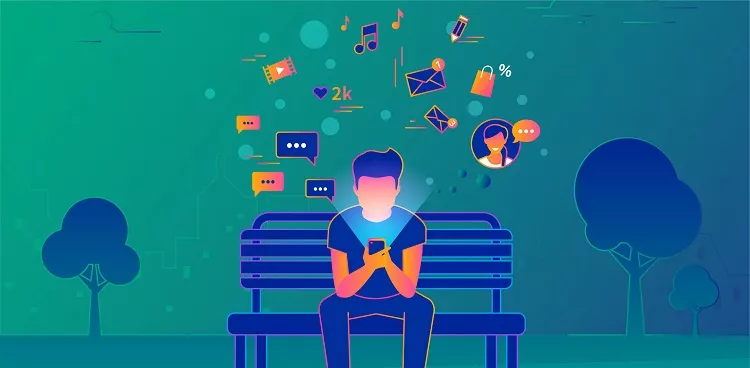
Technology has transformed how we live, work, and socialize. Smartphones, tablets, and smart apps have become indispensable tools, helping us navigate daily life, stay connected, and manage tasks efficiently. However, alongside these benefits, a new challenge has emerged: tech addiction.
Unlike traditional screen time concerns, tech addiction today is more subtle, personalized, and pervasive. Smart apps are designed to capture attention, encourage repeated engagement, and even predict user behavior—making it easier than ever to develop compulsive habits. Understanding how this addiction is evolving is critical for both users and developers who aim to create healthier digital experiences.
1. What Is Tech Addiction?
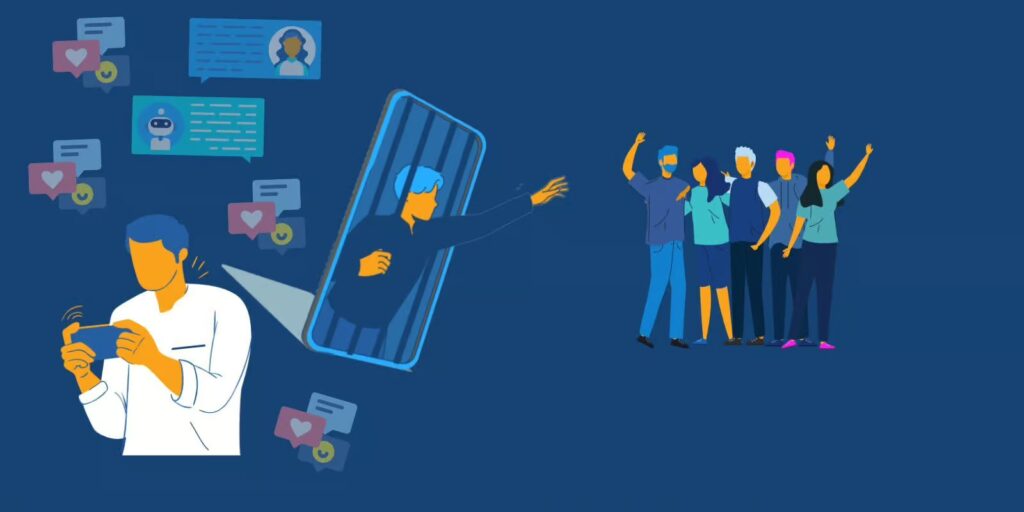
Tech addiction, sometimes called digital addiction, refers to compulsive use of technology that interferes with daily life, work, or relationships. Unlike simple overuse, tech addiction is marked by:
- Anxiety or discomfort when disconnected
- Difficulty controlling usage despite negative consequences
- Prioritizing digital engagement over real-world responsibilities
Examples:
- Checking notifications dozens of times per hour, even during meals or conversations.
- Spending hours on social media feeds without realizing it.
- Gaming or streaming late into the night, affecting sleep and productivity.
2. How Smart Apps Fuel Addiction
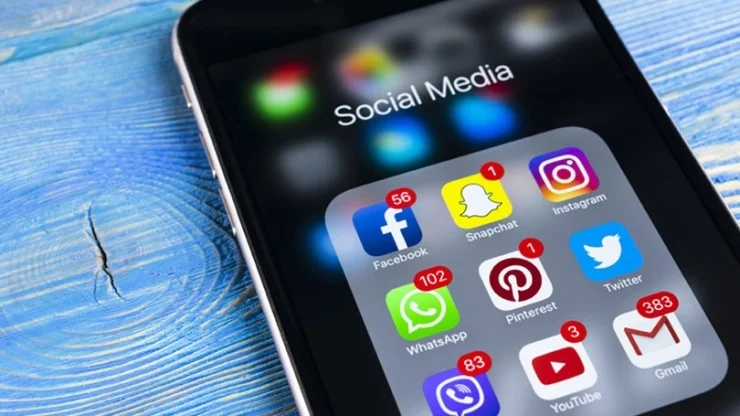
Smart apps are engineered to capture attention and encourage repeated engagement. Several features make them particularly addictive:
a) Personalized Recommendations
AI-powered algorithms learn what content users enjoy and serve it continuously.
Examples:
- TikTok’s For You page predicts videos users are likely to watch next.
- Netflix auto-suggests movies based on viewing history, encouraging binge-watching.
Impact: The more personalized the content, the harder it is to disengage, creating a feedback loop of continuous usage.
b) Instant Gratification and Rewards
Apps provide small, immediate rewards that trigger dopamine release in the brain.
Examples:
- Social media likes, retweets, or reactions.
- Gamified fitness apps giving badges or points for completing goals.
- Mobile games with daily rewards or loot boxes.
Impact: Users are motivated to check apps repeatedly, often unconsciously, to seek these micro-rewards.
c) Push Notifications and Alerts
Notifications are designed to pull users back into the app, often interrupting daily tasks.
Examples:
- Messaging apps reminding users of unread messages.
- Shopping apps sending flash sale alerts.
- News apps delivering breaking news notifications in real-time.
Impact: Frequent notifications create a habit loop, conditioning users to check their devices compulsively.
d) Infinite Scrolling and Auto-Play
Smart apps use design elements that minimize friction and maximize engagement.
Examples:
- Instagram and Facebook feeds scroll endlessly.
- YouTube auto-plays the next video immediately.
Impact: Users lose track of time, extending sessions far beyond initial intent, fostering addictive behaviors.
e) Social Pressure and FOMO
Fear of missing out (FOMO) drives continuous engagement, especially in social apps.
Examples:
- Users feel compelled to check social media to stay updated on friends’ activities.
- Professional networking platforms like LinkedIn encourage constant profile activity to stay visible.
Impact: Social validation and comparison reinforce compulsive usage, making it emotionally challenging to disconnect.
3. New Patterns of Tech Addiction
With the evolution of smart apps, tech addiction is no longer limited to gaming or social media. Emerging patterns include:
- Productivity App Overload: Users compulsively track tasks, schedules, and notifications, leading to stress rather than efficiency.
- Health and Fitness Obsession: Fitness and wellness apps can foster anxiety about steps, calories, or sleep metrics.
- Financial App Compulsion: Investment and cryptocurrency apps encourage constant checking of portfolios, creating compulsive behavior.
Example: Someone may wake up at 3 a.m. to check stock updates or scroll fitness stats, even if it disrupts sleep and wellbeing.
4. Consequences of Smart App Addiction
Tech addiction affects mental, physical, and social health:
a) Mental Health
- Increased anxiety, stress, and depression linked to social comparison and notification overload.
- Reduced attention span due to constant app switching.
b) Physical Health
- Eye strain, headaches, and poor posture from prolonged device use.
- Sleep disruption from late-night screen exposure and blue light.
c) Social and Professional Impact
- Reduced face-to-face interactions and weakened personal relationships.
- Lower productivity and increased distraction at work or school.
Example: A student may check TikTok between study sessions, losing focus and taking longer to complete tasks, impacting academic performance.
5. Strategies to Mitigate Tech Addiction
While smart apps are designed to be engaging, users can adopt strategies to maintain balance:
a) Mindful Usage
- Set intentional time limits for app usage.
- Identify triggers that lead to compulsive checking.
Tools: Screen time tracking apps like RescueTime or Forest.
b) Notification Management
- Disable non-essential notifications.
- Batch check apps instead of responding immediately.
Impact: Reduces distraction and the habitual pull of notifications.
c) Scheduled Breaks
- Take regular breaks from screens during work or study.
- Implement “digital detox” periods to reset attention and reduce dependency.
Example: Using apps only for 30 minutes in the morning and evening, rather than throughout the day.
d) App Design Awareness
- Be aware of addictive design patterns such as infinite scroll or auto-play.
- Choose apps that promote healthy engagement rather than compulsive behavior.
Example: Opting for e-readers or news apps without social features for focused reading.
e) Seek Professional Help
For severe tech addiction, therapy and behavioral interventions can help. Cognitive Behavioral Therapy (CBT) has been effective in reducing compulsive device use.
6. Role of Developers in Reducing Addiction
The evolution of smart apps isn’t solely the user’s responsibility. Developers can help by:
- Designing ethical, user-friendly interfaces that discourage compulsive behavior.
- Offering built-in usage tracking and limits.
- Reducing reliance on manipulative design elements like infinite scroll or gamified rewards.
Example: Instagram introduced a “Take a Break” reminder to encourage users to pause scrolling. YouTube added a feature showing how much time users spent watching videos.
Conclusion
Tech addiction is evolving in tandem with the sophistication of smart apps. Personalization, gamification, notifications, and infinite scrolling have created subtle but powerful habit loops that keep users engaged—sometimes at the expense of mental, physical, and social wellbeing.
Addressing this challenge requires awareness, self-regulation, and ethical app design. Users can benefit from mindful usage, notification control, scheduled breaks, and tracking tools, while developers can play a proactive role in reducing addictive patterns.
The future of technology doesn’t have to mean surrendering control to our devices. By understanding how smart apps shape our behavior, we can enjoy the benefits of digital life without falling into compulsive use—creating a healthier balance between connectivity and real-world living.