
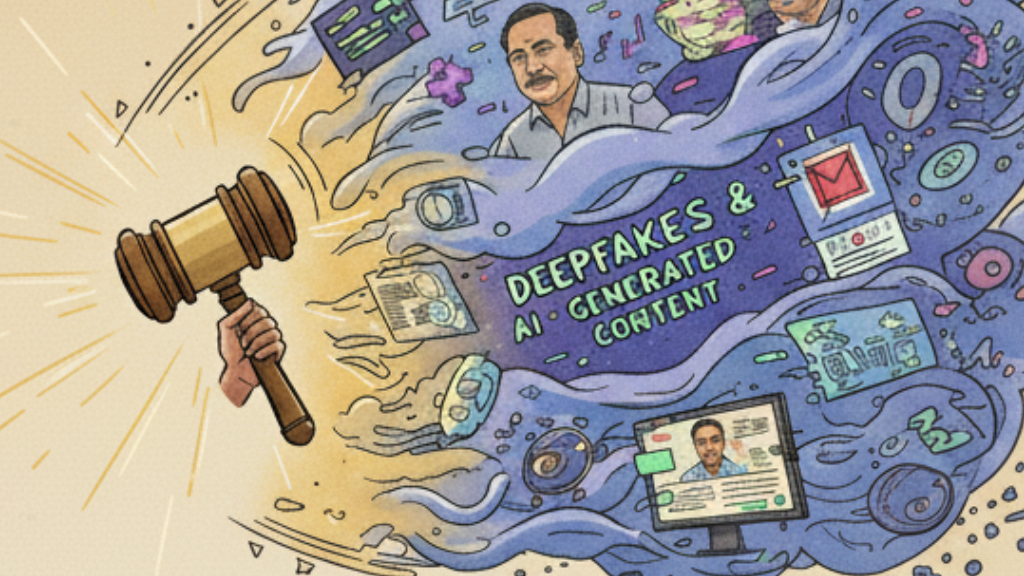
Artificial Intelligence has rapidly transformed content creation. Today, AI can write articles, generate images, compose music, and even produce videos. Tools like ChatGPT, DALL·E, and MidJourney allow anyone to create professional-looking content almost instantly. While this democratizes creativity, it also raises critical questions: Should AI-generated content be regulated? And if so, how?
The answer is not straightforward. While AI offers immense opportunities, unregulated content can lead to misinformation, copyright disputes, ethical dilemmas, and societal harm. This article explores the case for and against regulation, examples of real-world impact, and potential frameworks for responsible AI content use.
1. The Case for Regulating AI-Generated Content
a) Combating Misinformation and Fake Content
AI can create realistic text, images, and videos that are difficult to distinguish from human-made content. While this can be fun or creative, it also enables the spread of fake news, deepfakes, and propaganda.
Examples:
- AI-generated news articles spreading false information during elections.
- Deepfake videos depicting public figures saying or doing things they never did.
Argument: Without regulation, AI-generated content can be weaponized to mislead people, influence public opinion, and cause societal harm. Regulations could require disclosure labels or verification standards for AI-created content.
b) Protecting Intellectual Property
AI tools often learn from copyrighted material to generate outputs. This raises concerns about copyright infringement and ownership.
Examples:
- AI art tools training on thousands of artists’ works without permission, producing similar styles.
- AI-written essays or reports containing rephrased content from copyrighted sources.
Argument: Regulations could clarify who owns AI-generated content and ensure that original creators’ rights are respected, preventing legal disputes and unfair exploitation.
c) Ensuring Accountability and Transparency
AI can produce content anonymously, making it difficult to track the source of errors, bias, or harmful material.
Examples:
- Biased AI-generated job descriptions that unintentionally exclude certain groups.
- AI chatbots providing medical or financial advice without oversight.
Argument: Regulation could require accountability mechanisms, such as metadata disclosure (showing that content was AI-generated) and audit trails for creators or platforms.
d) Safeguarding Society and Ethics
Certain types of AI content can cause emotional, cultural, or political harm if left unchecked.
Examples:
- AI-generated explicit content involving real people without consent.
- Manipulative AI-written advertisements targeting vulnerable populations.
Argument: Rules could ensure AI content adheres to ethical standards, protecting individuals and society from exploitation or harm.
2. The Case Against Strict Regulation
a) Risk of Stifling Creativity and Innovation
Overregulation could slow the development of AI tools and limit creative experimentation.
Examples:
- Startups may struggle to comply with complex legal requirements, limiting access to AI tools.
- Hobbyists and independent creators may face restrictions on AI-generated content they use for art, storytelling, or education.
Argument: Too-strict rules could prevent positive innovation and restrict the democratization of creative tools.
b) Enforcement Challenges
AI-generated content can be created and distributed globally, making regulation difficult to enforce.
Examples:
- A deepfake video created in one country can be uploaded to platforms worldwide.
- AI-written content may spread via social media before regulators can act.
Argument: Regulations may be hard to implement internationally, creating inconsistent standards that confuse users and creators.
c) Defining AI Content
One of the biggest challenges is defining what counts as AI-generated content.
Questions:
- Does partially AI-assisted writing count?
- How much human involvement exempts content from regulation?
- Should social media posts enhanced by AI filters fall under regulation?
Argument: Without clear definitions, laws could become ambiguous, difficult to enforce, and potentially overreach, punishing legitimate content creation.
3. Potential Approaches to Regulation
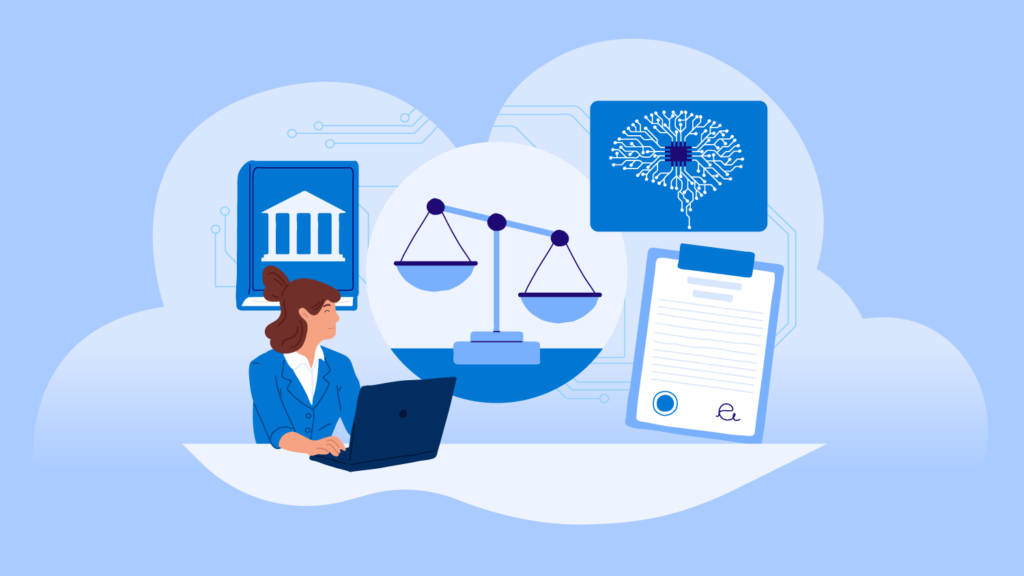
While regulation is challenging, several approaches could balance safety, accountability, and innovation:
a) Disclosure Requirements
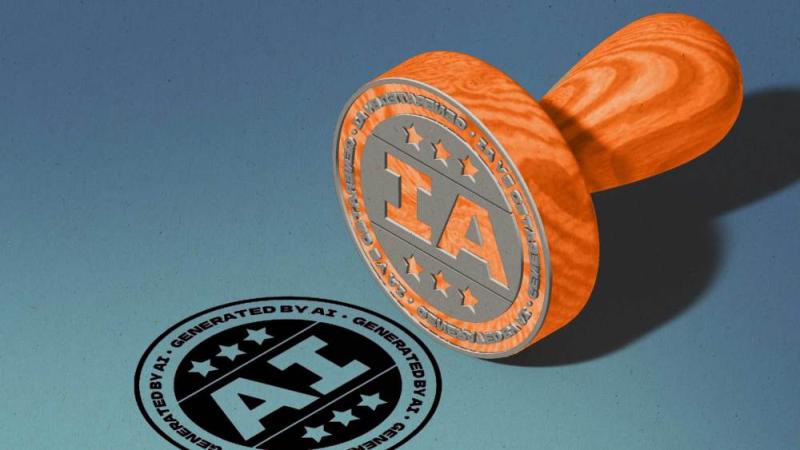
Require creators to label content as AI-generated. This increases transparency and helps audiences distinguish human-created content from AI-generated material.
Example: Platforms could mandate a “Generated by AI” badge for AI-produced posts, articles, or artwork.
b) Copyright and Licensing Rules
Clarify ownership and usage rights of AI outputs to protect original creators and define legal accountability for derivative works.
Example: AI art platforms could provide licensing options, ensuring that training datasets respect artists’ copyrights.
c) Ethical Guidelines and Audits
Encourage AI developers to follow ethical frameworks and conduct regular audits for bias, safety, and accuracy.
Example: AI news generators could implement internal verification systems to flag misinformation before publication.
d) Tiered Regulation
Instead of blanket rules, some content types might require stricter oversight.
Example: AI content in healthcare, finance, or legal advice could be heavily regulated, while creative writing or personal projects might face minimal rules.
4. Real-World Examples and Lessons
- European Union AI Act: Proposes a risk-based approach, regulating high-risk AI applications while allowing low-risk creativity.
- Social Media Transparency Rules: Platforms like Twitter and TikTok are experimenting with labeling AI-generated content to alert users.
- AI Art Controversies: Artists have raised concerns over AI training datasets, prompting discussions about copyright and consent.
These examples show that a balanced, risk-based regulatory approach is feasible and increasingly necessary.
5. Conclusion: A Balanced Approach is Needed
AI-generated content offers enormous opportunities for creativity, efficiency, and innovation. At the same time, it poses risks in misinformation, copyright infringement, ethical breaches, and societal impact.
Strict, blanket regulation could stifle innovation, while a completely unregulated environment could lead to widespread harm. The optimal path likely lies in balanced, risk-based regulation, combining:
- Transparency and labeling
- Clear copyright and licensing rules
- Ethical guidelines and audits
- Tiered oversight for high-risk applications
By taking a thoughtful approach, society can harness the benefits of AI-generated content while minimizing its potential harms, ensuring that AI serves humans responsibly rather than undermining trust, creativity, or safety.