

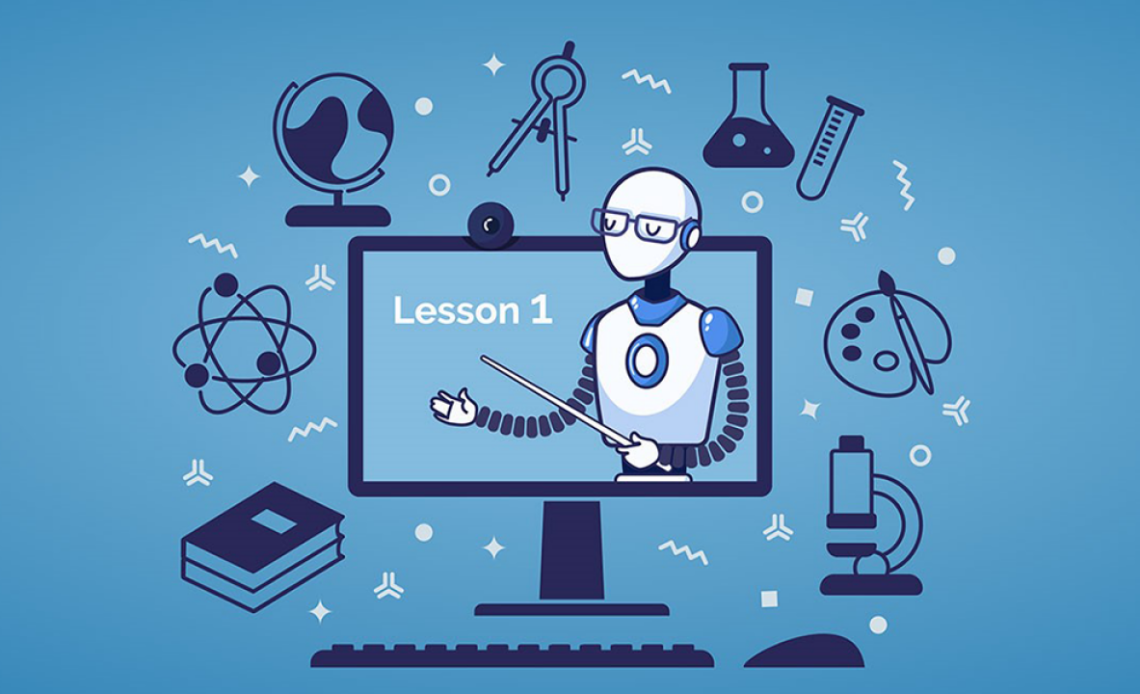
Artificial Intelligence (AI) is transforming how we teach and learn. From personalized learning platforms and intelligent tutoring systems to automated grading and administrative support, AI is reshaping education at all levels. Its integration into classrooms, universities, and online learning environments offers enormous potential—but also raises important questions about equity, teacher roles, and the skills students need for the future.
This article explores the ways AI is impacting education, the benefits it brings, the challenges it creates, and how schools can leverage it effectively.
1. Personalized Learning
One of AI’s most significant contributions to education is personalized learning. AI can analyze student performance and learning habits to provide tailored lessons that suit each learner’s pace, strengths, and weaknesses.
Examples:
- Khan Academy’s AI recommendations: Suggest lessons based on areas where students struggle.
- Duolingo: Adjusts exercises based on user performance and retention patterns.
- Smart tutoring systems: Platforms like Squirrel AI assess a student’s knowledge gaps and deliver customized learning paths.
Impact: Students receive instruction that matches their individual needs, increasing engagement, retention, and learning outcomes. Personalized AI learning reduces the “one-size-fits-all” problem of traditional education systems.
2. AI-Powered Tutoring and Assistance

AI can act as a 24/7 tutor, providing instant feedback, guidance, and explanations. This is particularly helpful for students who may not have access to private tutoring or classroom support.
Examples:
- ChatGPT as a learning assistant: Students can ask questions, get explanations, or explore topics interactively.
- AI math tutors: Platforms like Photomath help students understand problem-solving steps rather than just providing answers.
Impact: Students gain access to instant, scalable support, which helps reinforce learning and encourages independent study.
3. Automating Administrative and Grading Tasks
AI can reduce the burden of repetitive administrative work for educators, giving them more time to focus on teaching and mentoring.
Examples:
- Automated grading: Tools like Gradescope can assess multiple-choice tests, essays, and code assignments.
- Scheduling and resource allocation: AI can optimize timetables, classroom assignments, and exam schedules.
- Plagiarism detection: AI identifies copied content in student submissions efficiently.
Impact: Teachers spend less time on administrative tasks, improving efficiency and enabling more meaningful interaction with students.
4. Enhancing Collaboration and Engagement
AI tools can make learning more interactive and collaborative. By providing virtual simulations, interactive exercises, and gamified learning, AI increases student engagement.
Examples:
- Virtual labs and simulations: Platforms like Labster let students perform science experiments digitally, increasing hands-on learning opportunities.
- AI-driven discussion forums: AI can facilitate group projects by suggesting resources, moderating discussions, or summarizing key points.
Impact: Students engage with content in more dynamic ways, enhancing understanding and collaboration skills.
5. Supporting Teachers with Insights
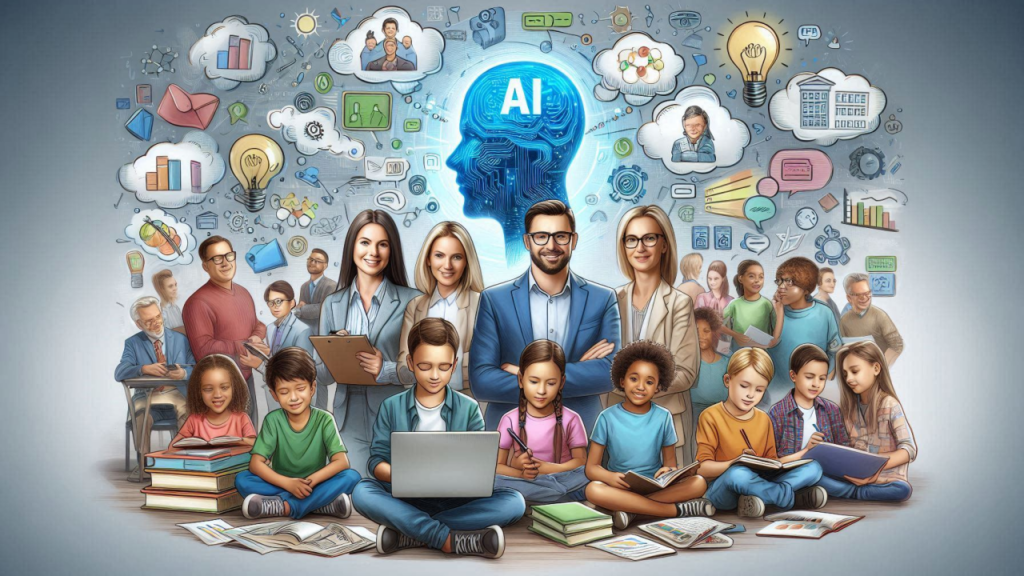
AI can analyze large volumes of student data to identify trends and learning gaps that may not be visible to teachers.
Examples:
- Early warning systems: AI identifies students at risk of falling behind based on participation, grades, and engagement metrics.
- Curriculum optimization: AI recommends adjustments in lesson plans or content sequencing based on class performance.
Impact: Teachers receive actionable insights that allow for proactive interventions, improving learning outcomes and supporting at-risk students.
6. Challenges and Considerations
Despite its benefits, AI in education also presents significant challenges.
a) Equity and Access
AI-driven learning tools often require devices, stable internet, and digital literacy. Students in underprivileged areas may be left behind.
Example: A rural school without reliable internet cannot fully leverage AI tutoring platforms, creating a digital divide.
b) Teacher Roles and Job Concerns
AI automation may cause fears of replacing teachers, though in reality, AI is better suited to augmenting teaching rather than replacing human educators. Teachers are essential for mentorship, emotional support, and fostering critical thinking.
Impact: Educators must adapt to AI as a tool to enhance instruction rather than viewing it as a threat.
c) Privacy and Data Security
AI platforms often collect extensive student data. Protecting privacy and ensuring ethical use of data is critical.
Example: AI learning platforms track performance, location, and even engagement patterns, which can be sensitive if mishandled.
d) Over-Reliance on AI
Students may become dependent on AI for answers, reducing critical thinking, problem-solving, and creativity.
Example: Using AI to generate essays or solve homework without understanding underlying concepts diminishes learning.
7. Preparing Students for an AI-Driven Future

AI is not just a teaching tool; it’s also a subject students need to understand. Integrating AI literacy into curricula prepares students for a future where AI will influence almost every industry.
Examples:
- Teaching coding and AI fundamentals in middle and high school.
- Encouraging ethical discussions about AI use, bias, and digital responsibility.
- Offering AI-driven project-based learning to develop problem-solving skills.
Impact: Students gain skills to navigate and leverage AI tools responsibly, enhancing future employability.
8. Balancing Human and AI Interaction
The key to effective AI integration in education is balance. AI should support teachers and students, not replace the human element of education.
Best Practices:
- Use AI to handle repetitive or analytical tasks.
- Let teachers focus on mentorship, guidance, and fostering creativity.
- Encourage students to use AI as a learning aid, not a shortcut.
- Prioritize ethical AI use, ensuring data privacy and transparency.
Example: A teacher might use AI to grade quizzes quickly but spend class time facilitating discussions, debates, and hands-on activities that AI cannot replicate.
Conclusion
AI is transforming education systems by personalizing learning, supporting teachers, enhancing engagement, and streamlining administrative tasks. It offers opportunities to improve efficiency, access, and outcomes for students worldwide.
However, AI also introduces challenges, including equity gaps, privacy concerns, over-reliance, and ethical dilemmas. The most successful integration occurs when AI enhances rather than replaces human educators, empowering both students and teachers.
The future of education will likely be a collaborative ecosystem, where AI tools amplify human creativity and decision-making, while teachers continue to provide mentorship, critical thinking guidance, and emotional support. By thoughtfully integrating AI, education systems can prepare students not just to use AI, but to thrive in an AI-driven world.