

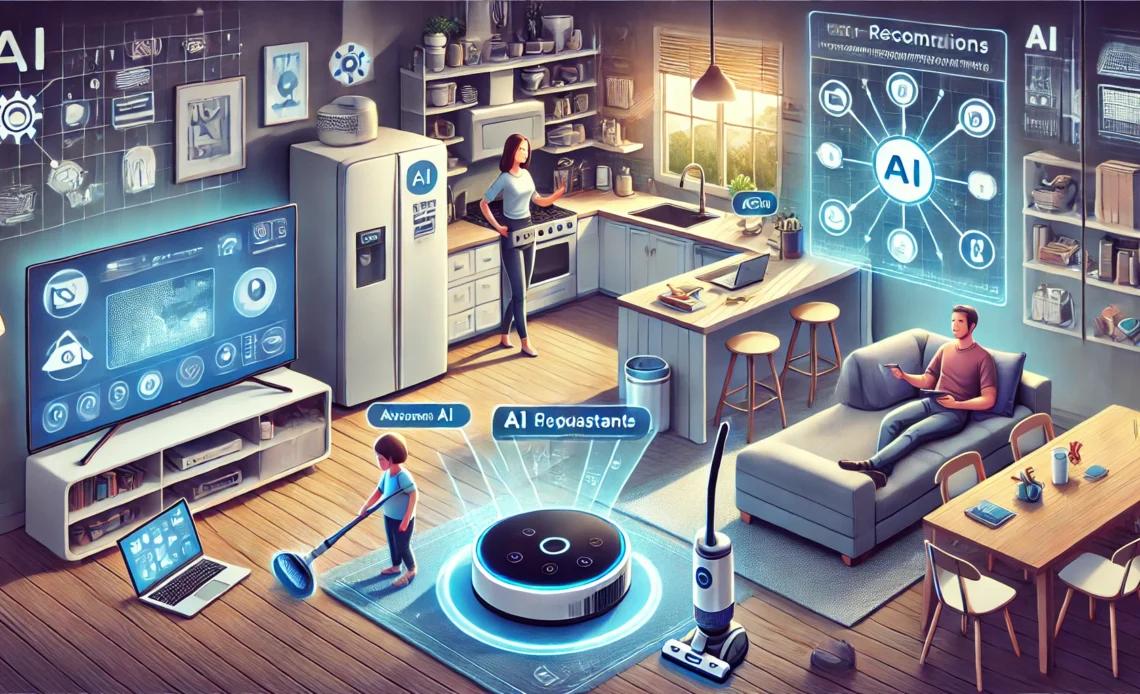
Artificial Intelligence (AI) is no longer confined to sci-fi movies or high-tech labs—it’s part of our daily routines. From virtual assistants and recommendation engines to smart home devices and AI-powered healthcare apps, AI has become deeply embedded in everyday life.
While AI offers remarkable convenience and efficiency, it also raises questions about privacy, dependency, and ethical concerns. Understanding both the benefits and the drawbacks is crucial for making informed decisions in a world increasingly shaped by AI.
Pros of AI in Everyday Life
1. Automation of Repetitive Tasks
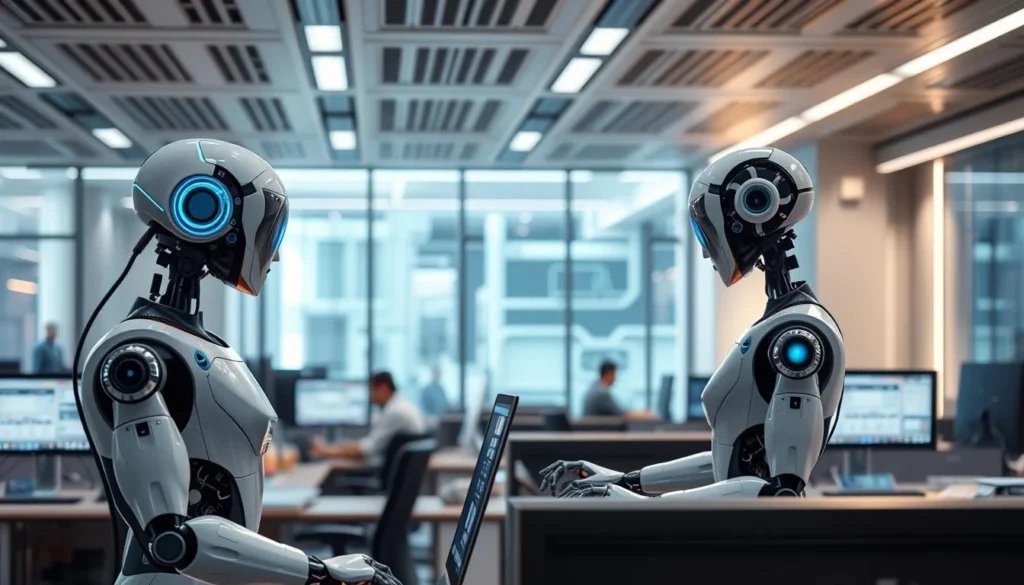
AI excels at automating tasks that are routine, repetitive, or time-consuming. This frees up time for humans to focus on more creative or strategic work.
Examples:
- Email management: AI tools like Gmail’s Smart Compose help draft and organize messages quickly.
- Household chores: Robot vacuum cleaners (e.g., Roomba) clean floors autonomously.
- Financial management: AI-powered apps categorize expenses and send reminders for bills.
Benefit: Increased productivity and reduced mental load from mundane tasks.
2. Personalized Experiences
AI can analyze user behavior and preferences to deliver highly tailored experiences.
Examples:
- Streaming services: Netflix or Spotify recommend movies and music based on your history.
- Shopping: Amazon and other e-commerce platforms suggest products you’re likely to buy.
- Learning: AI-driven educational apps like Duolingo adjust lessons based on user performance.
Benefit: More relevant, engaging, and efficient experiences in everyday life.
3. Enhanced Convenience and Efficiency
AI can make daily routines smoother by providing assistance and quick solutions.
Examples:
- Virtual assistants: Siri, Alexa, and Google Assistant set reminders, answer questions, and control smart devices.
- Navigation: Google Maps or Waze use AI to suggest optimal routes based on real-time traffic data.
- Healthcare apps: AI can analyze fitness data to recommend personalized workouts or monitor heart rates.
Benefit: Saves time and makes daily activities more convenient.
4. Improved Decision-Making
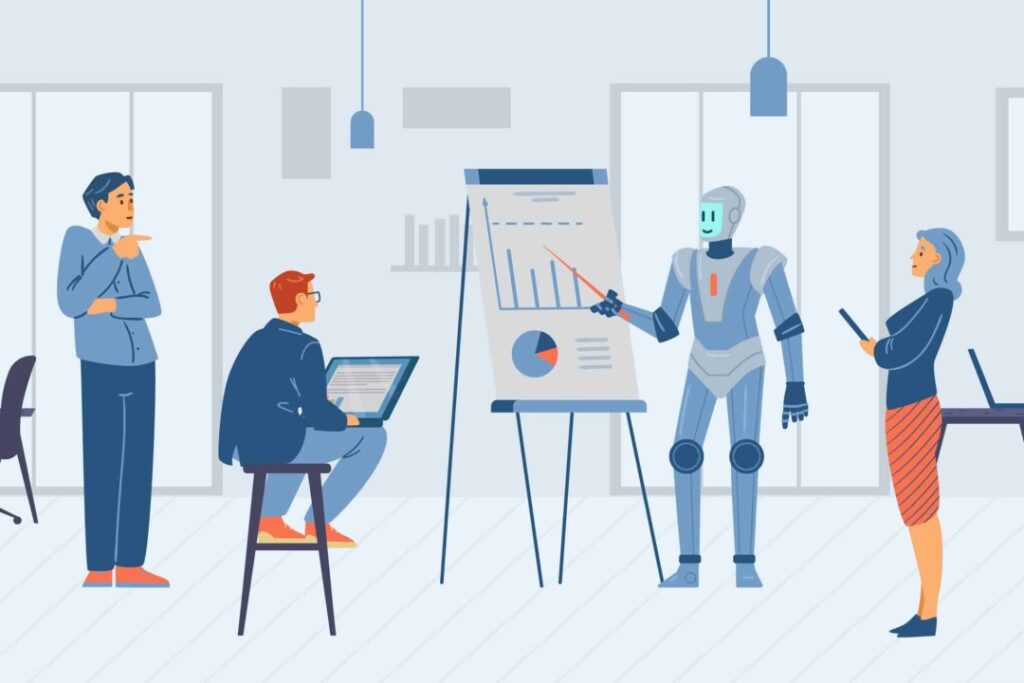
AI can analyze large amounts of data quickly, helping people make better decisions.
Examples:
- Finance: AI-powered apps like Mint or YNAB provide spending insights and suggest budgeting strategies.
- Health: Symptom checkers and diagnostic tools provide recommendations based on patterns in medical data.
- Travel planning: AI suggests optimal itineraries based on preferences, weather, and traffic.
Benefit: Makes complex decision-making faster and more accurate.
5. Accessibility and Assistance
AI can improve accessibility for people with disabilities.
Examples:
- Speech-to-text: Tools like Otter.ai transcribe meetings for hearing-impaired users.
- Visual assistance: Apps like Seeing AI describe surroundings for visually impaired users.
- Smart homes: AI enables voice-controlled devices for those with mobility challenges.
Benefit: Promotes inclusivity and independence.
Cons of AI in Everyday Life
1. Privacy Concerns
AI often relies on large amounts of personal data to function effectively, raising significant privacy issues.
Examples:
- Smart speakers and home assistants constantly listen for voice commands.
- AI-powered apps track browsing habits, purchases, and location data for personalized recommendations.
Risk: Data breaches, misuse of personal information, and potential surveillance.
2. Over-Dependency
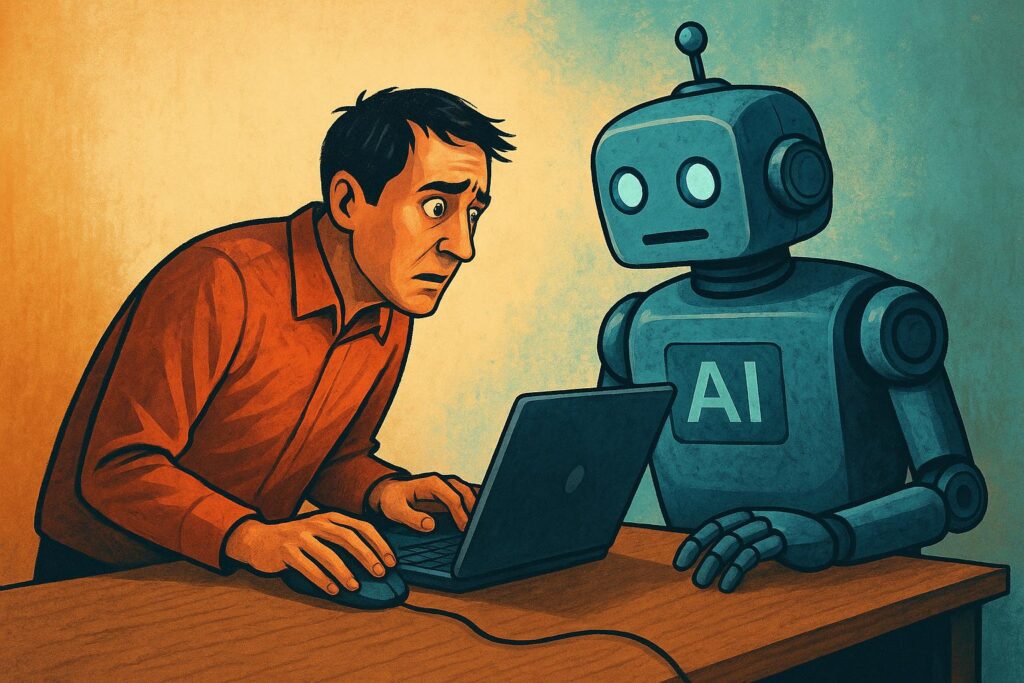
Relying too heavily on AI can reduce human skill development and critical thinking.
Examples:
- Relying on GPS for navigation may reduce one’s sense of direction.
- Using AI to write emails or reports can diminish writing or problem-solving skills.
Risk: People may lose proficiency in basic tasks without AI assistance.
3. Bias and Fairness Issues
AI systems can unintentionally reflect biases present in their training data, leading to unfair outcomes.
Examples:
- Hiring algorithms may favor certain demographics based on historical data.
- Facial recognition tools sometimes misidentify people of certain ethnicities at higher rates.
Risk: AI can perpetuate inequalities and make biased decisions if not properly monitored.
4. Job Displacement
Automation and AI integration in workplaces can lead to job losses in certain sectors.
Examples:
- Customer service chatbots replacing human agents.
- Manufacturing robots reducing demand for assembly-line workers.
Risk: Workers may need retraining to adapt to AI-driven industries.
5. Technical Limitations
AI is not perfect and can make mistakes, especially in unfamiliar or nuanced situations.
Examples:
- Virtual assistants misunderstanding commands or failing to answer correctly.
- AI-powered health tools providing inaccurate advice if data is incomplete.
Risk: Over-reliance on AI may lead to mistakes in critical decisions.
Balancing AI’s Benefits and Risks
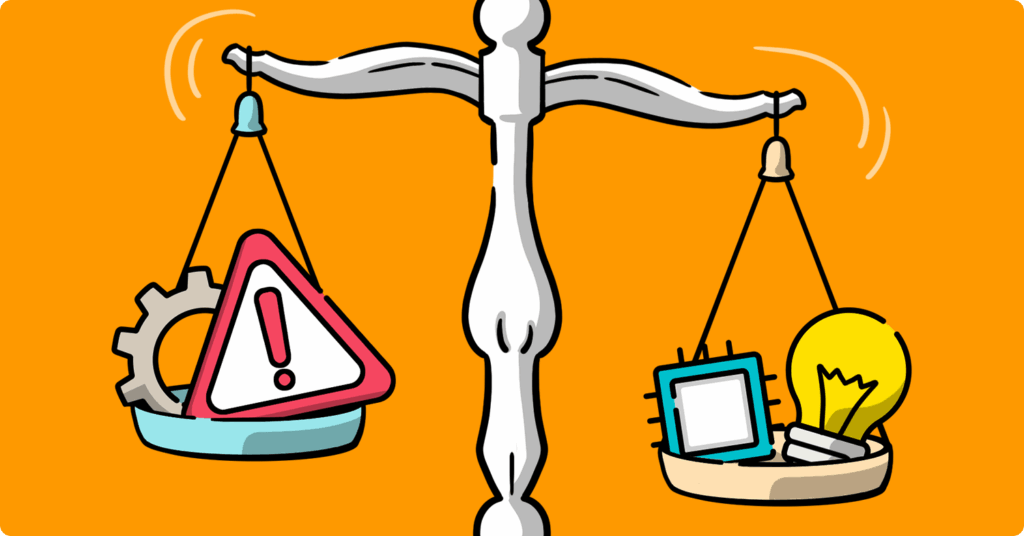
To make AI a positive part of daily life, it’s important to strike a balance between convenience and caution.
Practical steps:
- Be selective: Use AI tools that add real value, not just novelty.
- Manage privacy: Check permissions and data-sharing settings for apps and devices.
- Maintain skills: Don’t outsource every task; continue practicing problem-solving and critical thinking.
- Stay informed: Understand AI’s limitations and potential biases.
- Combine human judgment with AI insights: Use AI to assist, not replace, decision-making.
Example:
A student using an AI writing assistant should leverage it for brainstorming or proofreading but still craft the final essay themselves, maintaining both creativity and skill.
Conclusion
AI is reshaping everyday life, offering unprecedented convenience, efficiency, and personalization. It enhances decision-making, accessibility, and creativity, making tasks easier and experiences more tailored.
However, AI also comes with challenges: privacy risks, over-dependency, bias, potential job displacement, and technical errors. The key lies in responsible and informed use. By leveraging AI as a tool rather than a replacement, individuals can enjoy its benefits while minimizing risks.
Ultimately, AI in everyday life is not about replacing humans—it’s about enhancing human capabilities, streamlining routines, and opening opportunities for innovation, creativity, and personal growth.