


The debate between apps and websites has been ongoing for years. With smartphones dominating digital access and apps offering fast, personalized experiences, many wonder: will apps eventually replace websites entirely?
The short answer is: not entirely. Both apps and websites serve unique purposes, and the future will likely involve a complementary ecosystem, where apps and websites coexist rather than one fully replacing the other. Let’s explore why.
1. The Rise of Apps
Apps have seen explosive growth over the past decade. Mobile users often prefer apps because they offer:
- Speed: Apps are optimized for mobile devices, loading content faster than many websites.
- Personalization: Apps track user behavior to provide tailored recommendations, notifications, and experiences.
- Offline Access: Many apps allow access to content without an internet connection, which websites usually cannot.
- Device Integration: Apps can access device features like the camera, GPS, push notifications, and sensors.
Examples:
- Spotify: Offers personalized playlists, offline listening, and better performance on mobile than its web player.
- Amazon: Provides faster checkout, personalized recommendations, and one-click purchase options via the app.
- TikTok: Native app delivers smoother video streaming and instant notifications compared to the web version.
Apps clearly dominate daily mobile interactions, and for many users, the convenience outweighs visiting a website.
2. Why Websites Are Still Essential
Despite the app boom, websites remain critical for businesses and users:
- Discoverability: Websites are indexed by search engines like Google, making them easier to find than apps.
- Accessibility: Websites don’t require downloads, accounts, or specific operating systems. Users can instantly access content.
- Cross-Platform Reach: Websites work on desktops, laptops, tablets, and mobile devices, unlike apps that may need separate versions for iOS and Android.
- Lower Cost: Building and maintaining a website is generally cheaper than developing and updating multiple apps.
Examples:
- News outlets: Websites allow casual readers to access articles instantly without downloading an app.
- E-commerce stores: Sites like Walmart and IKEA provide browsing and shopping options for users who prefer desktop or web access.
- Educational content: Platforms like Khan Academy and Coursera offer full-featured experiences on the web.
Websites remain the gateway to discoverability and broad accessibility, especially for new users.
3. Progressive Web Apps: Bridging the Gap
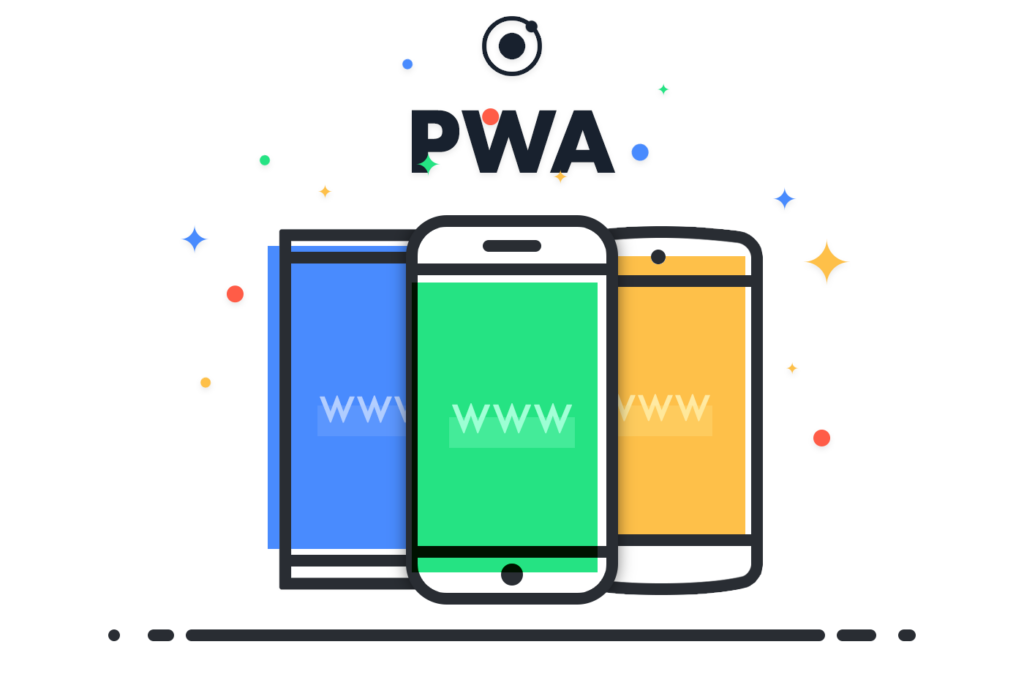
A major trend reshaping the debate is Progressive Web Apps (PWAs). PWAs combine the best of websites and apps:
- They run in browsers like websites but feel like native apps.
- Offer offline access, push notifications, and fast performance.
- Avoid app store restrictions and downloads.
Examples:
- Twitter Lite: Functions as a PWA, providing app-like performance for users with limited storage.
- Starbucks PWA: Allows ordering and payment directly from the browser with app-like speed.
PWAs demonstrate that the future doesn’t have to be “apps vs. websites.” Instead, technology is moving toward flexible, hybrid experiences.
4. User Behavior and Context
Whether apps replace websites depends largely on user behavior and context:
- Frequent users of a service (e.g., Spotify, banking apps) prefer apps for convenience and personalization.
- Casual users or first-time visitors often access websites for information or trial usage without committing to an app download.
- Desktop-heavy tasks (e.g., complex data analysis, graphic design, online courses) are more convenient on websites.
Key Insight: Apps dominate mobile-first, high-frequency tasks, while websites remain vital for discovery, casual browsing, and desktop experiences.
5. The Cost Factor for Businesses
For businesses, the decision isn’t just about user preference—it’s also about resources and ROI:
- Developing an app for iOS and Android can be expensive, especially with ongoing updates and bug fixes.
- Websites require less investment and reach a larger audience immediately.
- PWAs offer a middle ground, delivering app-like engagement without high development costs.
Example:
A small e-commerce store may prioritize a mobile-friendly website over building separate apps, while Amazon invests heavily in its app because high engagement drives significant revenue.
6. The Future: Coexistence, Not Replacement

Given current trends, it’s unlikely that apps will fully replace websites. Instead, businesses and users will benefit from a coexistence strategy:
- Websites: Serve as the entry point for new users, support desktop workflows, and provide broad accessibility.
- Apps: Enhance engagement, offer personalization, integrate with devices, and provide offline capabilities.
- PWAs: Offer flexibility, reaching both app-like and web-based users seamlessly.
Example:
- LinkedIn: Offers a website for professional networking accessible anywhere and an app for daily engagement, messaging, and notifications.
- Netflix: Users can watch via browser or app depending on preference, device, and convenience.
The future is likely multi-platform, with users choosing the tool best suited for their context.
7. Emerging Trends That Will Shape the Balance
Several trends may influence whether apps or websites dominate certain areas:
- AI Integration: Apps may offer smarter personalization through AI, increasing engagement.
- Voice and AR Interfaces: Both websites and apps will need to adapt to voice search, virtual assistants, and augmented reality experiences.
- Cross-Platform Development Tools: Frameworks like Flutter or React Native make it easier to maintain a single codebase for apps and web.
- 5G and Connectivity: Faster internet may reduce the perceived speed advantage of apps, leveling the playing field for websites.
Insight: The line between apps and websites is blurring, with technology enabling hybrid solutions that leverage the strengths of both.
8. Key Takeaways
- Apps excel at engagement: Frequent, personalized, mobile-first interactions.
- Websites excel at accessibility: Discoverability, desktop usage, and broader reach.
- PWAs bridge the gap: Offering app-like experiences without downloads.
- Context matters: User intent, frequency, and device choice determine preference.
- Businesses benefit from coexistence: A combined approach maximizes reach and engagement.
In short, the future isn’t apps replacing websites—it’s apps complementing websites and creating seamless, multi-platform experiences.
Conclusion
Will apps replace websites? The evidence suggests no—not entirely. Apps dominate daily, mobile-first, high-frequency interactions, but websites remain essential for accessibility, discovery, and desktop usage. The evolution of PWAs and hybrid platforms further blurs the line, providing a flexible future where apps and websites coexist and complement each other.
Businesses and users alike will benefit from embracing both platforms, selecting the right tool based on context, convenience, and audience needs. Rather than thinking in terms of replacement, the digital ecosystem is moving toward integration and choice, ensuring that both apps and websites continue to play vital roles in our connected lives.