


Technology evolves at lightning speed. What’s cutting-edge today can be outdated tomorrow. For professionals, students, entrepreneurs, and tech enthusiasts, staying updated with trends isn’t just a curiosity—it’s a necessity. From AI and blockchain to cybersecurity, cloud computing, and quantum tech, keeping pace can be overwhelming.
The good news? With the right strategies and tools, you can stay informed without getting overwhelmed. Here’s a comprehensive guide on how to track, understand, and leverage fast-changing tech trends.
1. Follow Reputable Tech News Sources
One of the simplest ways to stay current is to regularly read or subscribe to reliable tech news outlets. They condense complex developments into digestible updates.
Examples of top sources:
- TechCrunch: Startup and innovation news
- The Verge: Consumer tech and emerging products
- Wired: In-depth technology and culture analysis
- Ars Technica: Detailed tech trends and reviews
Tip: Subscribe to newsletters to get daily or weekly summaries directly to your inbox. This saves time while keeping you informed.
2. Use Aggregator Platforms
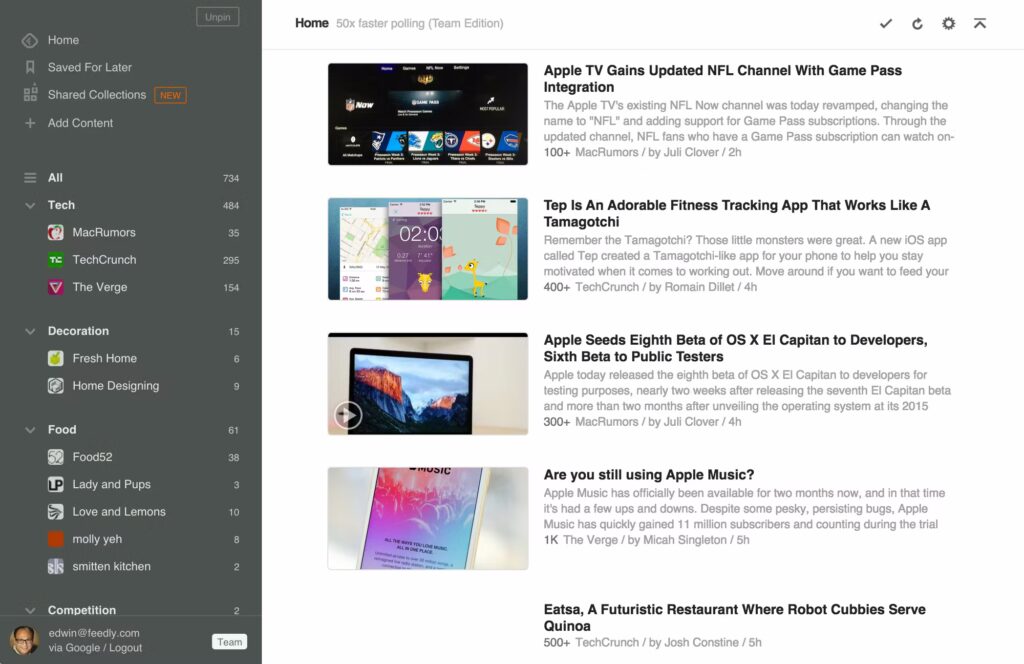
Tech aggregators collect trending articles, research, and announcements in one place. This helps you avoid checking multiple sites manually.
Popular tools:
- Feedly: Combine blogs, news sites, and journals into one feed
- Flipboard: Curated content based on your interests
- Reddit: Subreddits like r/technology, r/MachineLearning, and r/startups highlight trending discussions
Example: If you’re interested in AI, subscribing to multiple AI-focused blogs in Feedly ensures you never miss major developments like OpenAI’s latest models or breakthroughs in neural networks.
3. Follow Industry Experts and Thought Leaders
Experts often share insights faster than traditional media. Social media platforms, blogs, and podcasts are great ways to track their opinions.
How to do it:
- Twitter/X: Follow engineers, CTOs, researchers, and venture capitalists.
- LinkedIn: Many professionals post trend analysis and research summaries.
- Medium: Technical blogs by industry insiders.
Example: Following AI researchers on Twitter or LinkedIn can alert you to new papers, demos, or experimental projects before they hit mainstream coverage.
4. Subscribe to Tech Newsletters and Podcasts

Newsletters and podcasts save time by condensing essential information. Many focus on specific areas of tech, making it easier to focus on your interests.
Popular options:
- Morning Brew Tech: Daily digest of tech news
- The Download by MIT Technology Review: Curated weekly insights
- Tech Podcasts: Examples include “a16z Podcast” and “Exponential View” for startups, innovation, and AI
Example: Listening to a tech podcast during your commute or workout is a way to consume trends efficiently without dedicating extra hours.
5. Attend Webinars, Conferences, and Meetups
While online content is great, nothing beats direct exposure to experts and live discussions. Tech conferences and webinars often reveal emerging trends before they reach mainstream news.
Examples:
- CES (Consumer Electronics Show): Shows cutting-edge gadgets and innovations
- Web Summit: Startup and tech innovation trends
- AI conferences: Conferences like NeurIPS or AI Expo highlight research breakthroughs
Tip: Even if you cannot attend in person, most conferences livestream sessions or provide recorded talks online.
6. Join Online Communities

Being part of online tech communities allows you to discuss, question, and share insights in real-time.
Popular platforms:
- Reddit: Active communities like r/technology, r/ArtificialIntelligence, r/startups
- Discord/Slack groups: Focused on AI, blockchain, or programming
- Stack Overflow or GitHub Discussions: Technical Q&A and trend spotting
Example: Developers in a Discord AI community often share emerging frameworks, libraries, and demos before they become mainstream.
7. Follow Academic Research and Preprints
Cutting-edge innovations often appear first in research papers. Following journals and preprint servers can give you early access to breakthroughs.
Key resources:
- arXiv.org: Preprints for AI, machine learning, physics, and more
- Google Scholar alerts: Tracks new papers on specific keywords
- Conference proceedings: NeurIPS, ICML, SIGGRAPH, etc.
Tip: Use summaries and abstracts to stay informed without diving into highly technical content unless needed.
8. Leverage Tech Trend Reports
Several organizations publish detailed reports analyzing emerging trends, adoption rates, and market forecasts.
Examples:
- Gartner Hype Cycle Reports: Shows tech adoption trends and maturity
- McKinsey Technology Reports: Insights into industry impact and adoption
- CB Insights: Startups, funding, and emerging tech sectors
Benefit: These reports highlight which trends are hype versus those likely to become impactful, helping prioritize learning and investment.
9. Set Alerts for Specific Technologies
Automated alerts help you monitor specific keywords or topics without actively checking multiple sources.
Tools:
- Google Alerts: Send notifications for specific topics like “quantum computing” or “generative AI”
- Talkwalker Alerts: Monitors news and blogs for keywords
- RSS feeds: Track updates from favorite tech blogs or research journals
Example: Setting a Google Alert for “AI-powered search engines” ensures you get instant updates on new tools, research, or product releases.
10. Dedicate Time for Learning and Experimentation

Reading and tracking trends isn’t enough — hands-on experimentation solidifies your understanding.
Ways to practice:
- Try AI APIs or open-source tools
- Build small projects with new technologies
- Participate in hackathons or coding challenges
Example: Experimenting with an AI image generator or a new cloud platform helps you understand its capabilities, limitations, and potential impact firsthand.
11. Curate Your Tech Stack Knowledge
Focus on trends relevant to your work or interests rather than trying to follow everything. Prioritization helps avoid information overload.
How to curate:
- Identify key areas (AI, cloud, blockchain, cybersecurity)
- Follow specialized newsletters, communities, and experts in each area
- Review trends weekly or monthly instead of daily for long-term retention
Example: A web developer may focus on AI-powered front-end frameworks and cloud deployment tools while skipping unrelated topics like quantum computing (unless it affects their industry).
12. Use Learning Platforms for Continuous Education
Tech evolves quickly, and structured learning can help you stay current. Online platforms often update courses with the latest tools and practices.
Examples:
- Coursera / edX: Courses on AI, cloud computing, cybersecurity, and more
- Udemy / Pluralsight: Practical coding and tech courses
- Kaggle: Data science competitions and notebooks for hands-on learning
Tip: Combine trend awareness with learning to understand how emerging tools can be applied practically.
Final Thoughts
Staying updated with fast-changing tech trends requires a combination of awareness, curiosity, and hands-on learning. Following news sources, subscribing to newsletters, joining communities, attending events, and experimenting with new tools are all effective strategies.
The key is consistency. Even dedicating 15–30 minutes daily to curated tech content can help you stay ahead. Over time, you’ll develop intuition about which trends are likely to be transformative, which are niche, and which are hype — empowering you to make informed decisions in your career or business.
Technology waits for no one. Staying updated isn’t about knowing everything—it’s about knowing enough to act, adapt, and innovate.