

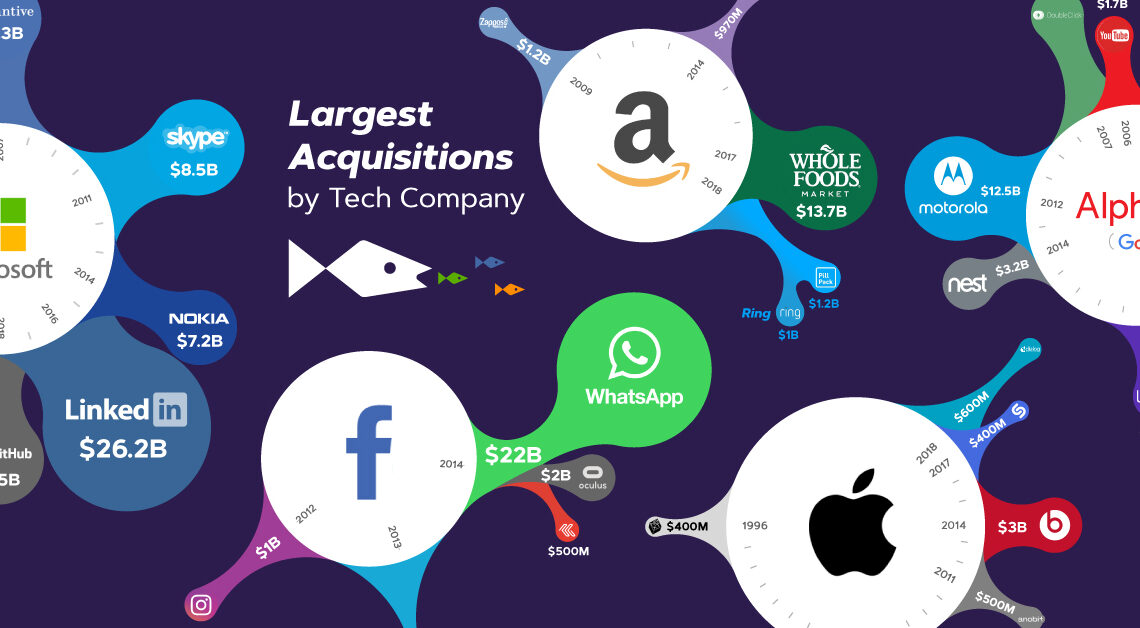
Over the past decade, acquisitions have become one of the most powerful tools used by big technology companies to shape the digital world. Rather than building everything from scratch, companies like Google, Apple, Meta, Microsoft, and Amazon frequently acquire startups, competitors, and specialized firms to accelerate innovation, eliminate competition, or expand into new markets.
While headlines often focus on billion-dollar price tags and regulatory scrutiny, the real impact of these acquisitions is felt by users. From the apps on our phones to the services we rely on daily, big tech mergers quietly influence how products evolve, how much choice consumers have, and how their data is handled.
Understanding what these acquisitions mean helps users see beyond the corporate deals and recognize how their digital experiences are being reshaped.
Why Big Tech Acquires Other Companies
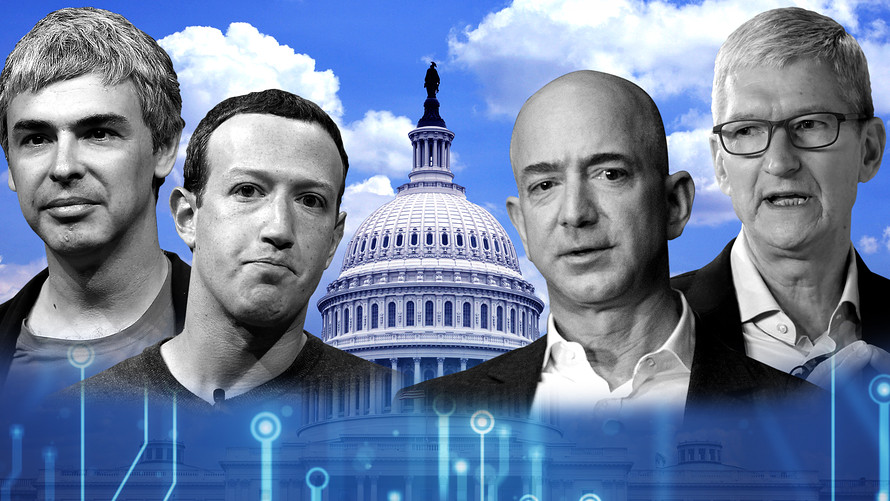
At its core, an acquisition is about speed and control. Building new technology internally can take years, while acquiring an existing company offers instant access to talent, technology, and market share.
Big tech companies typically acquire businesses for several reasons. Some deals are focused on acquiring technology, such as AI models, hardware expertise, or security tools. Others are about acquiring talent, especially in competitive fields like artificial intelligence, chip design, and augmented reality. There are also acquisitions aimed at eliminating future competition, where large firms buy fast-growing startups before they become serious rivals.
For users, these motivations matter because they influence whether a product improves, stagnates, or disappears entirely.
How Acquisitions Can Improve User Experience
Not all acquisitions are bad for consumers. In many cases, they lead to better products and faster innovation.
When a big company acquires a smaller one, it often brings greater resources, stability, and reach. Features that were once limited or unreliable can suddenly scale to millions—or even billions—of users. Infrastructure improves, bugs get fixed faster, and new features roll out more consistently.
For example, messaging apps, photo tools, and productivity software often gain smoother performance and tighter integration after being absorbed into larger ecosystems. A small startup might struggle to support multiple platforms, while a tech giant can integrate the same product seamlessly across phones, tablets, desktops, and cloud services.
Acquisitions can also lead to cross-product enhancements. A feature developed by a newly acquired company may appear across multiple apps, making everyday tools more powerful without users needing to download anything new.
When Products Change—or Disappear
Despite the potential benefits, acquisitions often come with trade-offs. One of the most common user concerns is what happens to a product after it’s bought.
In some cases, the original app or service is slowly shut down. Features are removed, updates stop, or the product is folded into a larger platform. Users who loved the original experience may feel abandoned, especially if the acquiring company prioritizes monetization over usability.
Even when products remain active, they may lose their original identity. Interfaces can change, privacy policies may be rewritten, and features that once felt user-friendly may become more restrictive. What began as a simple, focused tool can turn into a feature-heavy service optimized for data collection or advertising.
For long-time users, this can feel like a loss of control over tools they relied on.
The Impact on Privacy and Data

One of the biggest concerns surrounding big tech acquisitions is how user data is handled.
When a small company is acquired, its data policies often change to align with the acquiring company’s broader ecosystem. This can mean that user data is now shared across multiple services, combined with existing profiles, or used to improve targeted advertising and personalization.
For users, this can be both convenient and unsettling. On one hand, better personalization can lead to smarter recommendations and smoother experiences. On the other, it raises questions about consent, transparency, and how much data one company should control.
Even if a company promises to maintain strong privacy protections, users may worry about how long those commitments will last—or how clearly they are communicated.
Reduced Competition and Fewer Choices
Another major consequence of big tech acquisitions is their impact on competition.
When large companies buy smaller competitors, the market can become more concentrated. Fewer independent alternatives mean users have less choice, and innovation may slow as competition decreases. Prices can rise, features may stagnate, and customer service can suffer when users have nowhere else to go.
This is especially noticeable in areas like social media, app stores, cloud services, and digital advertising, where a small number of companies dominate. Even when alternatives exist, they may struggle to compete with platforms that already control massive user bases and distribution channels.
For users, reduced competition often translates to less bargaining power and fewer options that truly prioritize their needs.
Ecosystem Lock-In: Convenience vs. Control

Acquisitions also contribute to ecosystem lock-in. As companies absorb more services, they create tightly connected platforms that work best when used together.
For users, this can be incredibly convenient. Devices sync effortlessly, apps share data seamlessly, and switching between services feels natural. However, this convenience comes at a cost. Leaving one ecosystem for another becomes harder, and users may feel trapped by their existing investments in apps, subscriptions, and data.
Once a company controls multiple layers of a user’s digital life—hardware, software, services, and data—it gains significant influence over how that user interacts with technology.
What Users Can Do
While individual users don’t control acquisition decisions, they aren’t powerless.
Staying informed is the first step. When a favorite app is acquired, users should review updated terms, privacy policies, and feature roadmaps. Understanding what’s changing allows users to decide whether to stay or explore alternatives.
Supporting independent tools and open platforms also helps maintain diversity in the tech ecosystem. Smaller developers often rely on user loyalty to survive in markets dominated by giants.
Finally, users can make their voices heard. Feedback, reviews, and public pressure have influenced how companies handle acquisitions, data usage, and product transitions in the past.
Final Thoughts
Big tech acquisitions are reshaping the digital landscape at an unprecedented pace. While they can bring better performance, broader access, and faster innovation, they also raise serious questions about privacy, competition, and user choice.
For users, the key is awareness. Understanding why acquisitions happen—and how they affect products—empowers people to make smarter decisions about the tools they use every day.
As technology continues to consolidate, the balance between convenience and control will remain one of the most important conversations in the digital age.