

Artificial intelligence often sounds mysterious, complex, or even intimidating. Terms like “neural networks,” “large language models,” and “machine learning” can feel overwhelming, especially for people without a technical background. Yet behind the jargon, AI research is about a simple idea: teaching machines to learn, reason, and assist humans more effectively.
In recent years, AI research has made several major breakthroughs that are quietly changing how technology works. This article breaks down those breakthroughs in simple, human-friendly language—what they are, why they matter, and how they affect everyday life.
1. AI That Understands Language Like Humans Do
One of the biggest breakthroughs in AI research is the development of systems that understand and generate human language surprisingly well.
What Changed?
Older computer programs followed strict rules. If you didn’t phrase something exactly right, they failed. Modern AI learns language by reading enormous amounts of text and recognizing patterns—how words, sentences, and ideas usually connect.
Why It Matters
This allows AI to:
- Answer questions conversationally
- Summarize long documents
- Translate languages naturally
- Help write emails, essays, and code
Instead of “talking to a machine,” users can now communicate in normal language. This breakthrough has made AI far more accessible to everyone—not just programmers.
2. AI That Can Learn From Fewer Examples

In the past, AI systems needed massive amounts of data to learn anything useful. For example, teaching an AI to recognize cats required thousands or even millions of images.
What Changed?
New research shows that AI can now learn from fewer examples, more like humans do. Instead of memorizing everything, AI systems are getting better at generalizing—understanding the core idea behind what they see.
Why It Matters
This means:
- AI can be trained faster
- Smaller companies can use AI without huge datasets
- AI can work in fields where data is limited, like medicine or scientific research
It also reduces energy use and makes AI development more efficient and sustainable.
3. AI That Can Reason, Not Just Respond
Early AI systems were good at producing answers—but not always good answers. They could sound confident while being completely wrong.
What Changed?
New AI research focuses on reasoning—teaching AI to think step by step instead of guessing. These systems break problems into smaller pieces, check their own logic, and adjust their responses.
Why It Matters
This helps AI:
- Solve math and logic problems more reliably
- Handle complex questions
- Explain why an answer makes sense
For users, this means more trustworthy and understandable responses instead of vague or misleading ones.
4. AI That Understands Images, Audio, and Text Together
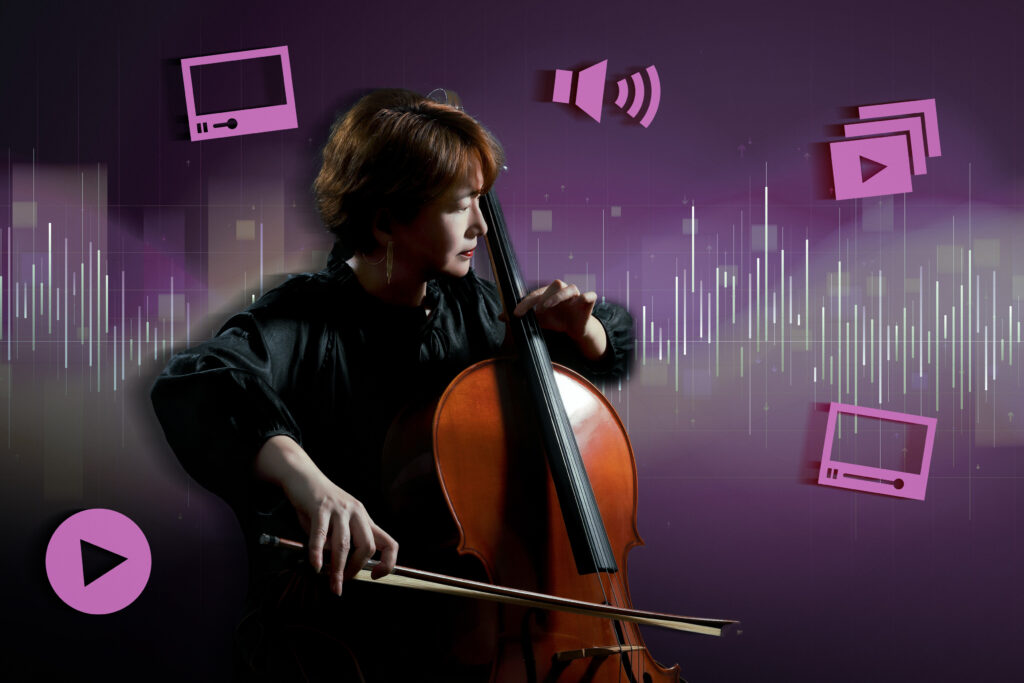
Another major breakthrough is multimodal AI—systems that understand multiple types of information at once.
What Changed?
Instead of handling text, images, or audio separately, AI can now combine them. For example, it can look at a photo, read a description, and answer questions about both together.
Why It Matters
This enables:
- Smarter photo and video analysis
- Voice assistants that understand context
- Better accessibility tools for people with disabilities
It brings AI closer to how humans experience the world—using multiple senses at the same time.
5. AI That Adapts to You Personally
Traditional software treats everyone the same. AI research is changing that by making systems more personalized and context-aware.
What Changed?
AI can now remember preferences, understand habits, and adjust behavior over time (with user permission). It learns how you work, not just what you ask.
Why It Matters
Personalized AI can:
- Suggest better recommendations
- Help manage schedules and tasks
- Reduce repetitive work
Instead of forcing users to adapt to software, software adapts to users.
6. AI That Can Create—Not Just Analyze
One of the most visible breakthroughs is generative AI—systems that can create new content.
What Changed?
AI can now generate:
- Text (stories, articles, emails)
- Images and illustrations
- Music and audio
- Code and designs
This works because AI learns patterns from existing content and recombines them creatively.
Why It Matters
Creative AI helps people:
- Work faster
- Explore ideas visually or verbally
- Lower the barrier to creativity
It doesn’t replace human creativity—but it enhances it, acting like a creative assistant.
7. AI That Can Work Step-by-Step on Tasks
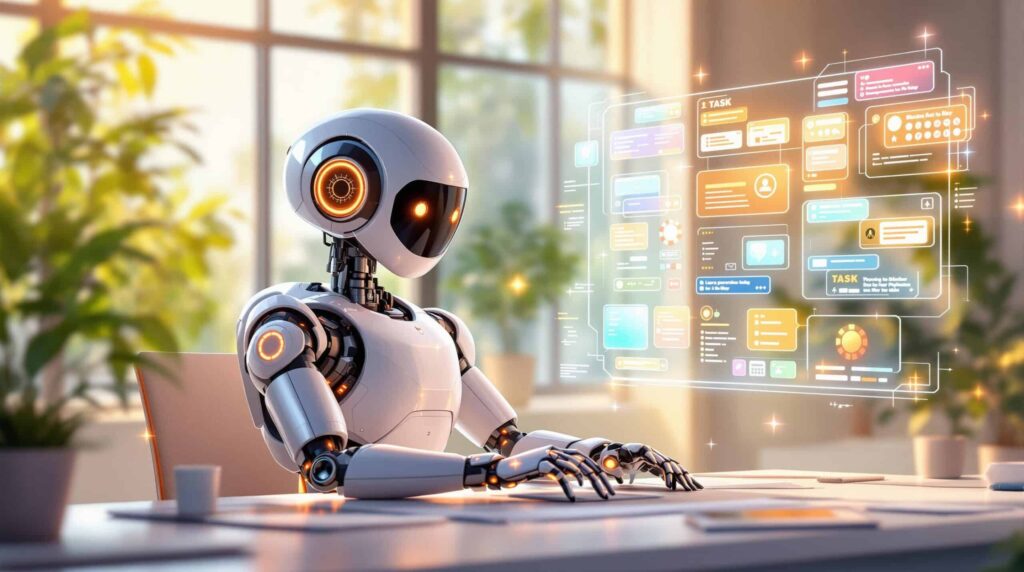
New AI research is moving beyond single questions toward task-based intelligence.
What Changed?
Instead of answering one prompt at a time, AI can now:
- Plan a series of steps
- Complete multi-part tasks
- Adjust based on feedback
This allows AI to help with projects, not just answers.
Why It Matters
This kind of AI can:
- Assist with research
- Organize information
- Automate repetitive workflows
It transforms AI from a chatbot into a problem-solving partner.
8. AI That Runs Directly on Devices
Many people worry about privacy when using AI. Research is addressing this by making AI work directly on phones and laptops instead of remote servers.
What Changed?
Smaller, more efficient models can now run locally on devices.
Why It Matters
- Faster responses
- Better privacy
- Less dependence on internet connections
This brings powerful AI to everyday devices without sacrificing security.
9. Making AI Safer and More Reliable
As AI becomes more powerful, researchers are focusing on safety, accuracy, and responsibility.
What Changed?
AI systems are being trained to:
- Admit uncertainty
- Avoid harmful content
- Follow guidelines and ethical boundaries
Why It Matters
This reduces misinformation, misuse, and unintended consequences—making AI more trustworthy for daily use.
10. What These Breakthroughs Mean for Everyday People
All these advances lead to one big shift: AI is becoming more human-friendly.
For users, this means:
- Technology that understands natural language
- Tools that save time and effort
- Better support for learning, creativity, and productivity
- More accessible tech for people of all backgrounds
AI is no longer just for experts—it’s becoming a general tool that anyone can use.
Final Thoughts
Breakthrough AI research isn’t about creating machines that replace humans. It’s about building systems that support, assist, and amplify human abilities.
By learning more efficiently, reasoning more carefully, understanding multiple forms of information, and adapting to individuals, AI is becoming more useful—and more approachable—than ever before.
The most important takeaway is this:
You don’t need to understand the technical details to benefit from AI. The real breakthrough is that AI is learning to meet people where they are—speaking their language, understanding their needs, and helping them navigate an increasingly complex digital world.