

Artificial intelligence has moved far beyond experimental labs and niche tools. In the past year alone, AI has become a core pillar of how the world’s largest technology companies build products, compete with one another, and define the future of computing. Google, OpenAI, Apple, and Meta are at the center of this transformation, each taking a distinct approach to advancing AI while racing toward more capable, more integrated systems.
From multimodal models and AI agents to privacy-focused intelligence and open-source breakthroughs, the latest updates from these companies reveal where AI is headed next—and how it may reshape everyday digital experiences.
Google: Building the AI Operating Layer
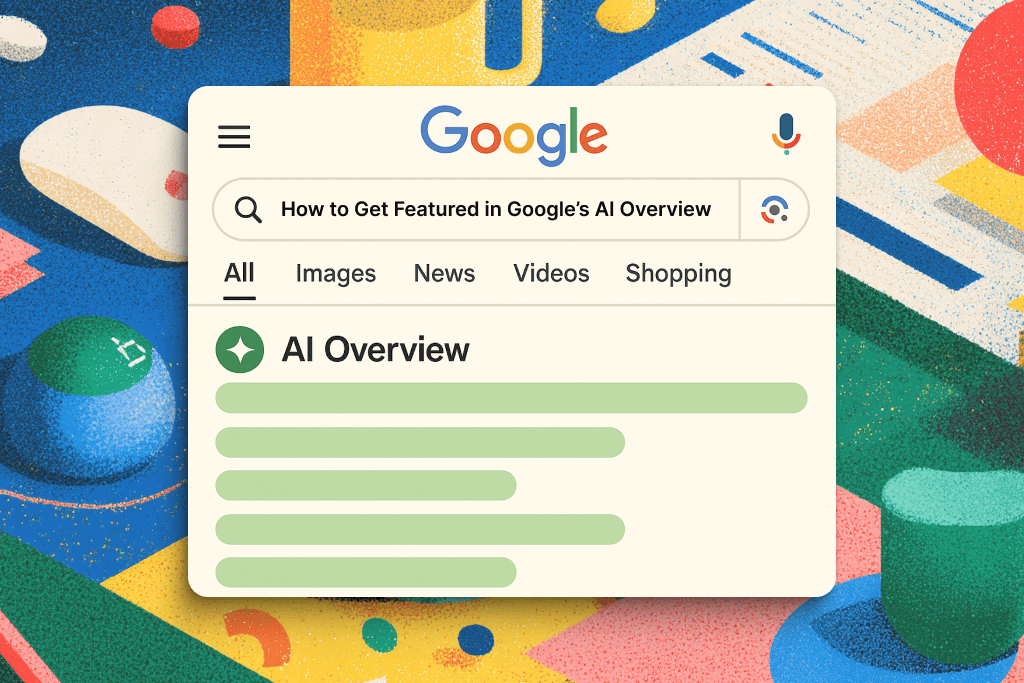
Google has positioned AI not as a standalone product, but as a foundational layer across its entire ecosystem. Its latest AI updates reflect an aggressive strategy to embed intelligence into search, productivity tools, and user workflows.
The company’s Gemini model family represents a major leap forward in multimodal AI. These models can understand and generate text, images, and video within a single system, allowing for more natural interactions and deeper reasoning. Instead of simply answering questions, Gemini-powered tools can analyze complex information, summarize large datasets, and assist with advanced coding and research tasks.
One of Google’s most notable shifts is its emphasis on AI agents—systems designed to perform multi-step tasks autonomously. Rather than responding to isolated prompts, these agents can plan, execute, and adapt across applications. For example, an AI agent might research a topic, organize the findings into a document, schedule meetings, and follow up with emails, all with minimal user input.
By weaving these capabilities into search, Workspace apps, and Android, Google is effectively turning AI into an operating layer for the internet. The goal is not just smarter answers, but proactive assistance that anticipates user needs.
OpenAI: Advancing Reasoning and Scale
OpenAI continues to push the boundaries of large language models, focusing on deeper reasoning, versatility, and real-world deployment. Its most recent model updates emphasize flexibility—allowing AI to adapt to different levels of complexity depending on the task.
Modern OpenAI models are designed with multiple modes of operation. Some prioritize speed and efficiency for everyday use, while others focus on slower, more deliberate reasoning for complex problems such as advanced programming, financial analysis, or scientific research. This approach reflects a growing recognition that not all AI tasks require the same level of cognitive effort.
Beyond raw model performance, OpenAI has expanded its ecosystem through integrations with productivity software, developer platforms, and enterprise tools. AI is no longer confined to chat interfaces—it’s embedded in documents, spreadsheets, code editors, and business workflows. This shift has helped transform AI from a novelty into a practical co-worker for millions of users.
OpenAI has also emphasized responsible deployment, safety research, and long-term planning. As AI systems grow more capable, the company has highlighted the importance of governance, alignment, and international cooperation in shaping how advanced AI impacts society.
Apple: Privacy-First Intelligence Goes Mainstream
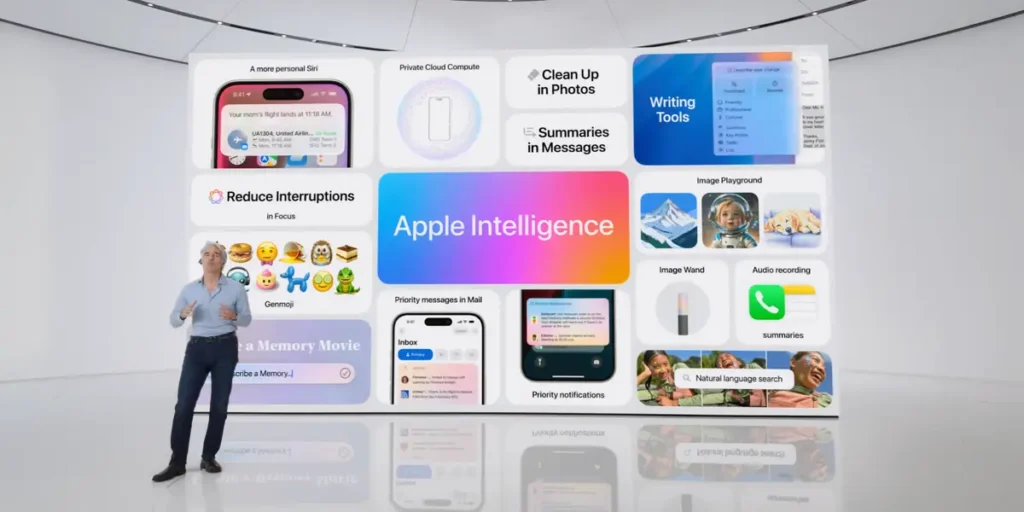
Apple’s AI strategy stands apart from its competitors in one key area: privacy. Rather than relying entirely on massive cloud-based models, Apple has focused on integrating intelligence directly into its devices wherever possible.
The company’s latest updates expand what it calls “personal intelligence”—AI features that understand context, user behavior, and on-screen content while keeping personal data protected. These capabilities enhance everyday tasks like writing, photo organization, notifications, and voice interactions without requiring constant data transmission to external servers.
One of the most anticipated developments is the evolution of Siri. Long criticized for lagging behind competitors, Apple’s assistant is expected to become significantly more conversational, context-aware, and capable of handling complex requests. Instead of responding to isolated commands, Siri is moving toward understanding intent across apps and over time.
Apple is also exploring strategic partnerships and hybrid approaches, blending its own models with external AI technologies when necessary. This allows the company to balance cutting-edge performance with its long-standing commitment to user trust and data security.
By tightly integrating AI into hardware, operating systems, and developer tools, Apple is betting that intelligence should feel invisible—working quietly in the background to make devices more helpful without overwhelming users.
Meta: Open Models and Personal Superintelligence
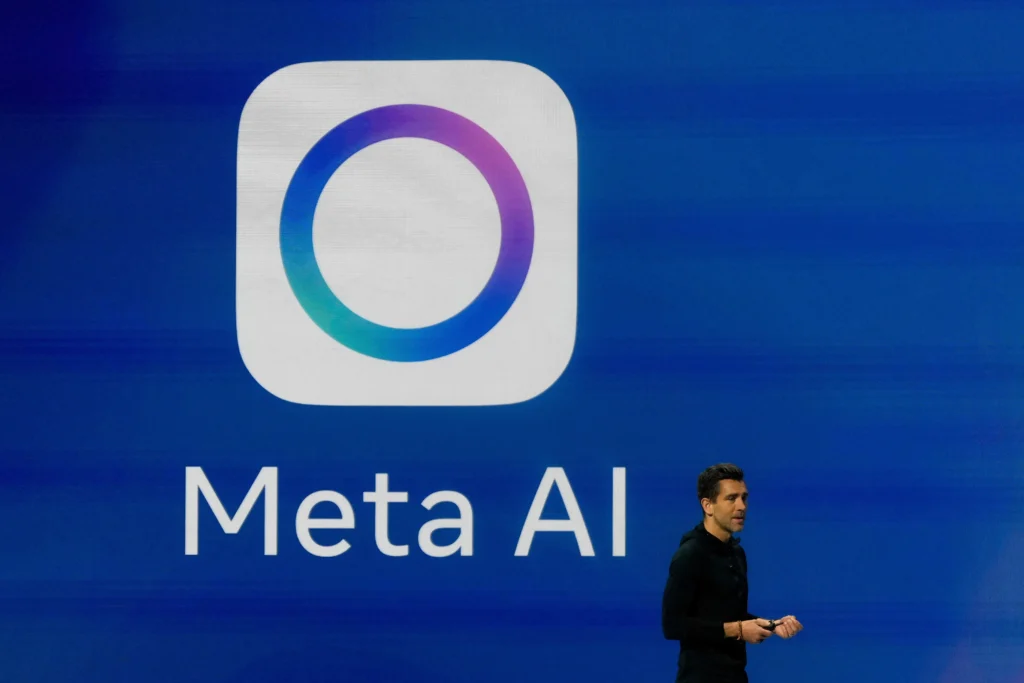
Meta has taken a bold and somewhat unconventional approach to AI by leaning heavily into open-source development. Its latest generation of models is designed to be widely accessible, enabling developers, researchers, and startups to build on top of powerful AI without starting from scratch.
This openness has accelerated innovation across the AI ecosystem, allowing models to be customized, fine-tuned, and deployed across a wide range of platforms. Meta’s models are optimized for everything from large-scale cloud applications to lightweight, on-device use cases.
At the same time, Meta has articulated a long-term vision centered on what it calls “personal superintelligence.” Rather than focusing solely on enterprise productivity or search, this vision emphasizes AI that helps individuals create, learn, and communicate more effectively. From content creation to social interaction and immersive experiences, Meta sees AI as a deeply personal companion.
AI is also playing a growing role in Meta’s augmented reality and wearable technologies. As smart glasses and immersive environments evolve, AI will be essential for understanding the physical world, interpreting user intent, and blending digital content seamlessly into real-world contexts.
Despite internal restructuring and shifting priorities, Meta remains one of the most influential players in shaping how open and accessible advanced AI can be.
What These Updates Mean for the Future
Taken together, the latest AI updates from Google, OpenAI, Apple, and Meta reveal several key trends shaping the future of technology.
First, AI is becoming more proactive. Systems are moving beyond reactive question-and-answer models toward agents that can plan, reason, and act independently.
Second, integration matters more than raw intelligence. The most impactful AI features are those embedded directly into tools people already use—search engines, smartphones, productivity apps, and social platforms.
Third, there is no single path forward. Some companies prioritize openness, others privacy, others scale and performance. This diversity ensures competition, innovation, and multiple visions of how AI should serve humanity.
Finally, AI is becoming personal. Whether through customized assistants, on-device intelligence, or context-aware systems, the focus is shifting from generic outputs to deeply individualized experiences.
Final Thoughts
The AI race among Google, OpenAI, Apple, and Meta is not just about who builds the smartest model—it’s about who defines how intelligence fits into everyday life. Each company brings a unique philosophy, shaping tools that influence how we work, communicate, and create.
As these systems continue to evolve, one thing is clear: AI is no longer a future promise. It is an active force redefining the digital world, and its next chapter will be written through the competition—and collaboration—of these tech giants.